
Nutritionist-Backed Vision Wellness Strategies
Discover how strategic nutrition can support and maintain your eye health. Learn the science-based dietary approaches recommended by vision wellness experts.
The information on this site is for educational purposes only and does not constitute medical advice. Always consult a qualified healthcare professional before making health decisions.
Why Nutrition Matters for Eye Health
Retinal Support
Specific nutrients protect the macula and support central vision function.
Antioxidant Power
Plant-based compounds help neutralize oxidative stress in eye tissues.
Circulation Health
Proper nutrition supports blood flow to ocular tissues and structures.
Long-Term Wellness
Consistent dietary choices support sustained visual performance.
Essential Nutrients for Optimal Vision
The lens and retina require specific micronutrients to maintain transparency and function. Lutein and zeaxanthin concentrate in the macula, while anthocyanins and flavonoids provide antioxidant support throughout ocular tissues.
Omega-3 fatty acids support the photoreceptor cell membranes and fluid circulation. Vitamin C and E work synergistically to protect against age-related changes. Zinc enables the production of protective pigments and supports lens clarity.
Explore Vision Foods
Vision-Boosting Nutrient Categories
Carotenoids
Lutein, zeaxanthin, and beta-carotene filter harmful light wavelengths and protect sensitive retinal tissue.
- Spinach and leafy greens
- Carrots and sweet potato
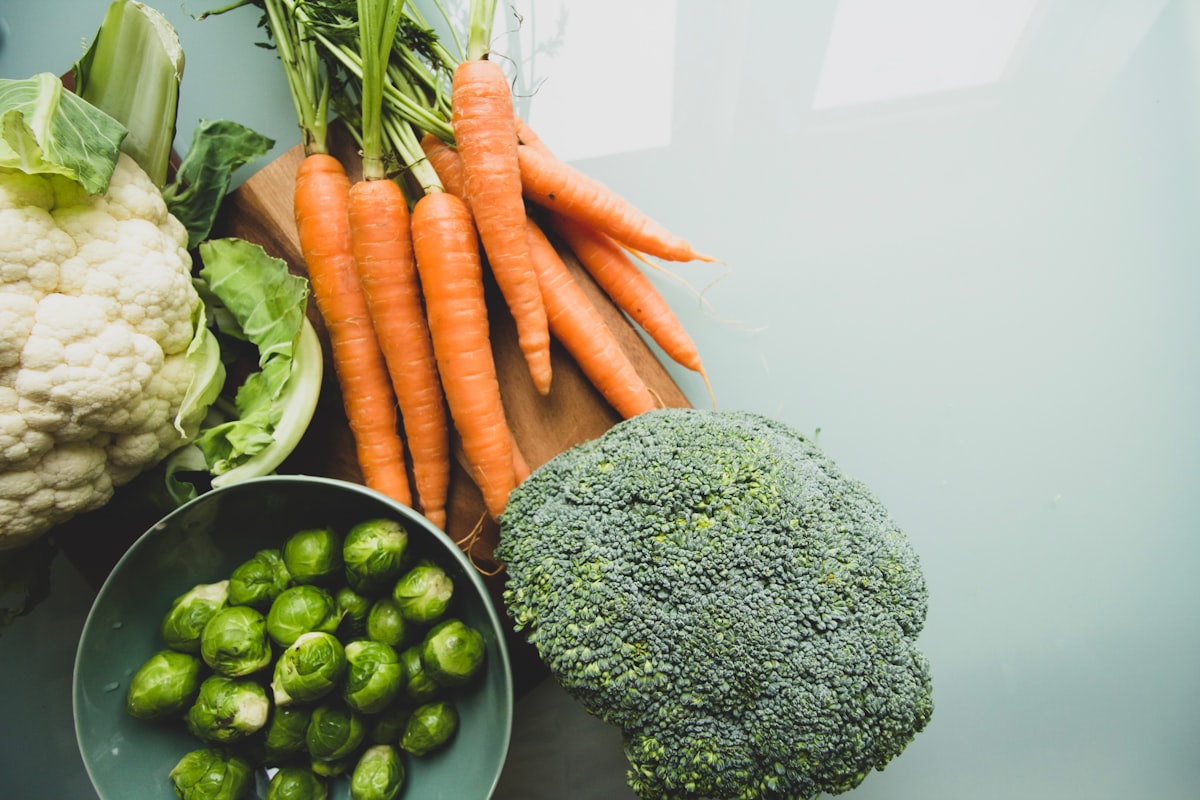
- Broccoli and kale
Anthocyanins
Powerful antioxidants from purple and red foods that reduce oxidative stress in eye tissues.
- Blueberries and blackberries
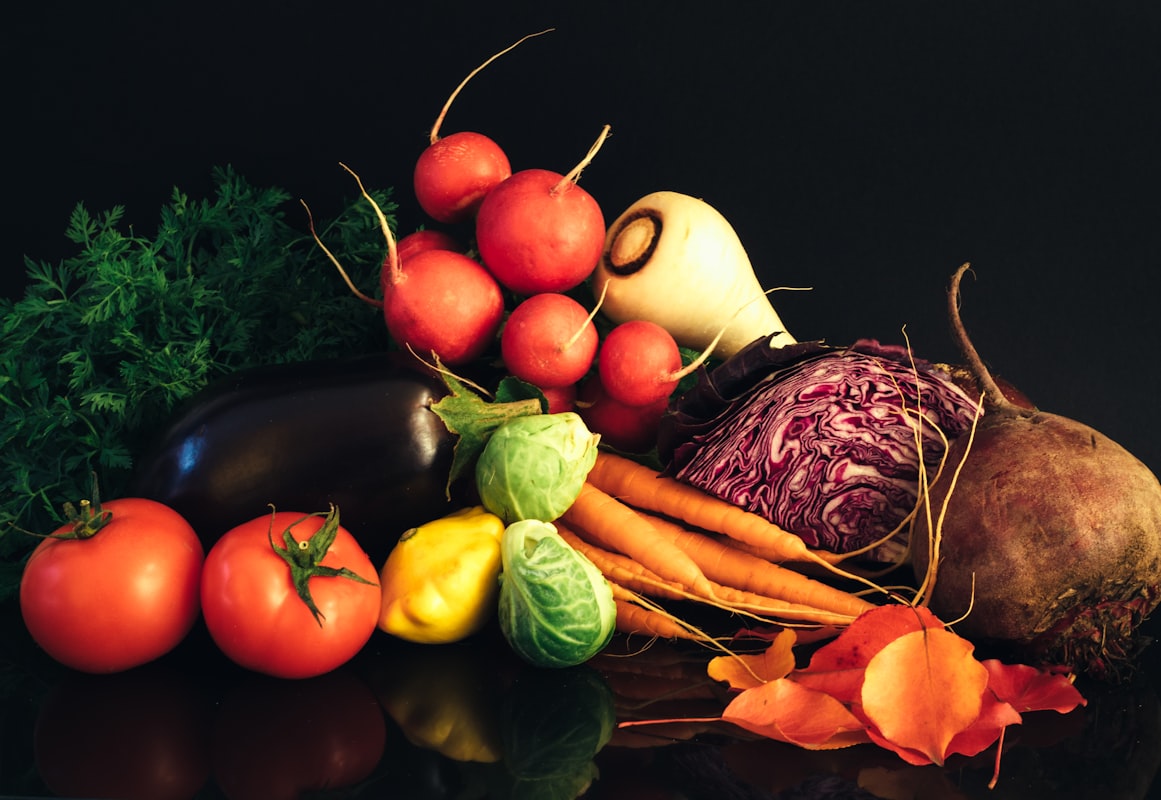
- Red cabbage and beets
- Pomegranate and tart cherry
Omega-3 Fatty Acids
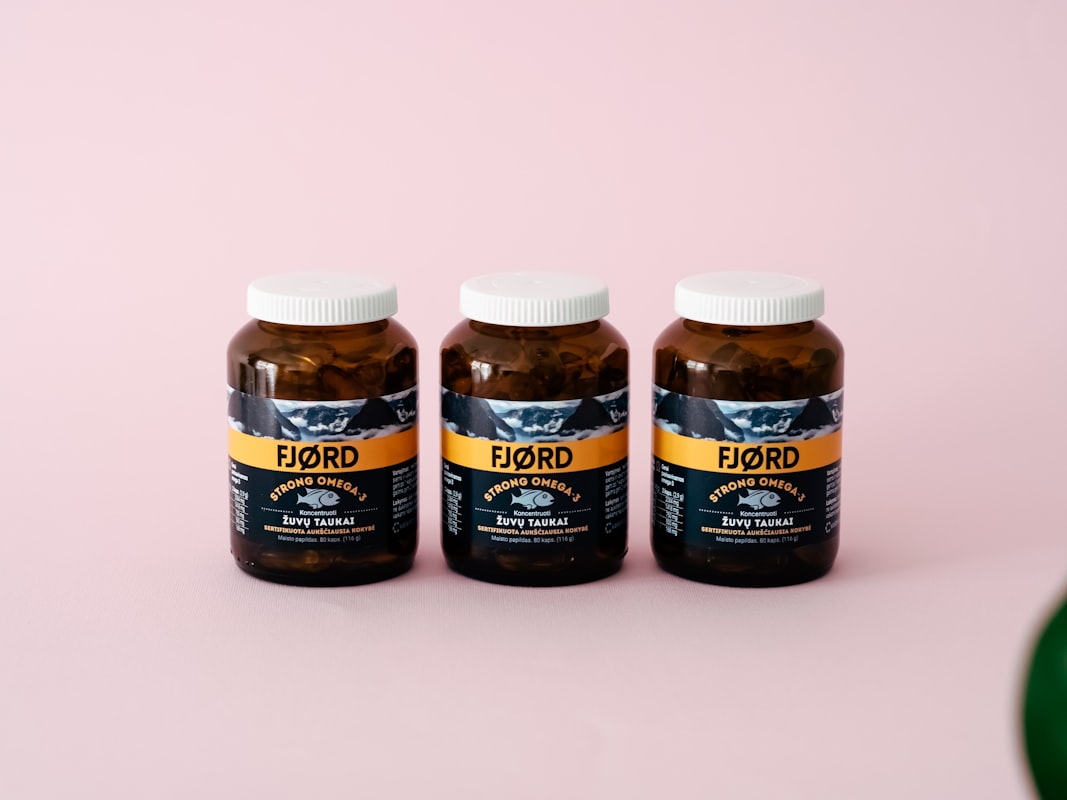
Essential fatty acids support retinal cell membranes and promote healthy ocular circulation.
- Fatty fish and salmon
- Flaxseed and chia seeds
- Walnuts and hemp seeds
Vitamins & Minerals
Zinc, vitamins C and E protect lens clarity and support adaptation to light changes.
- Citrus and bell peppers
- Almonds and sunflower seeds
- Pumpkin seeds and oysters
Polyphenols
Plant compounds from teas and herbs that combat cellular inflammation and support vascular health.
- Green tea and matcha
- Dark chocolate and cocoa
- Red wine and grapes
Lutein Focus
High-concentration lutein and zeaxanthin directly deposit in the macula lutea for targeted support.
- Kale and collard greens
- Corn and peas
- Egg yolks (bioavailable)
Key Features of Vision-Supporting Nutrition

Whole Foods First Approach
Real, unprocessed foods deliver nutrients in their natural bioavailable form. Whole foods contain synergistic compounds that work together more effectively than isolated nutrients alone.
Fresh produce, legumes, nuts, and fish provide complete nutrient profiles with minimal processing, preserving heat-sensitive vitamins and active compounds that support eye function.
Evidence-Based Protocols
Our nutritional recommendations draw from peer-reviewed research and clinical studies focusing on dietary interventions for visual wellness. Each nutrient recommendation is linked to specific mechanisms of eye function.
Established patterns like the Mediterranean diet and DASH diet have strong evidence supporting long-term visual wellness, providing a solid foundation for personalized dietary guidance.
Personalized Approach
Every individual has different nutritional needs based on age, existing dietary patterns, food preferences, and health background. Our guidance accounts for these personal factors to create sustainable recommendations.
Rather than one-size-fits-all advice, we help you identify which nutrients matter most for your situation and how to incorporate them into meals you genuinely enjoy eating.
Educational Framework
Understanding the "why" behind nutritional choices leads to better long-term adherence. We explain the connection between specific foods and eye health mechanisms, empowering you to make informed dietary decisions.
Clear education about nutrient density, food sources, and absorption factors helps you build lasting healthy habits rather than following temporary restrictions.
Your Vision Nutrition Journey
Assess Your Baseline
Review your current dietary patterns, food preferences, and nutritional intake. Identify any gaps in vision-supporting nutrients.
Learn Key Nutrients
Understand which nutrients benefit eye function and where to find them in everyday foods. Discover nutrient interactions and bioavailability.
Create Sustainable Changes
Build a personalized nutrition plan with realistic, enjoyable food choices. Focus on gradual integration rather than dramatic shifts.
Maintain & Refine
Track your progress with vision wellness as a long-term goal. Adjust recommendations based on results and seasonal availability.
Common Questions About Dietary Eye Care
Nutritional changes for eye health typically show gradual benefits over weeks to months. Some improvements in visual comfort and reduced eye strain may occur within 4-6 weeks, while deeper cellular changes in retinal tissue support take 3-6 months of consistent dietary improvements. Long-term vision wellness is a cumulative effect of sustained nutritional choices over time.
Whole foods should be the foundation of any vision-supporting nutrition plan. They provide nutrients in their natural ratios and include co-factors that enhance absorption and effectiveness. Supplements can fill specific gaps but lack the complexity and synergistic compounds found in whole foods. A balanced approach prioritizes food sources first, with strategic supplementation only where dietary intake falls short.
For screen-related eye strain, prioritize lutein and zeaxanthin for light filtering, anthocyanins for antioxidant support, and omega-3 fatty acids for tear production and retinal function. Vitamins C and E protect against oxidative stress from blue light exposure. Additionally, adequate hydration and regular blinking breaks complement nutritional support for managing digital eye strain.
The Mediterranean diet and DASH diet have strong evidence supporting overall vision wellness due to their emphasis on whole foods, healthy fats, and colorful vegetables. These dietary patterns naturally emphasize nutrients beneficial for eye function. Rather than following rigid diet names, focus on the underlying principles: abundant colorful produce, healthy fats, lean proteins, and minimal processed foods.
Vision-supporting nutrients exist across diverse food categories, making it possible to support eye health with various dietary restrictions. Whether vegetarian, vegan, pescatarian, or avoiding specific allergens, alternative sources exist for each key nutrient. Working with nutrition guidance helps identify appropriate food sources and combinations within your dietary constraints to maintain comprehensive nutrient intake.
Nutritional needs shift with age due to changes in absorption, metabolism, and eye tissue vulnerability. Younger individuals benefit from establishing strong nutritional habits preventively, while older adults may need increased focus on specific nutrients that decline naturally with age. Personalized assessment accounts for your age, existing vision patterns, and biological factors to tailor recommendations appropriately.
Real Results From Nutrition Consultations
"The lactose intolerance consultation transformed my life. I can finally enjoy dairy alternatives without guesswork. Highly recommended!"
Sarah M.
Verified Client
"Professional, thorough, and genuinely cares about client health. The personalized nutrition plan exceeded my expectations."
Marcus T.
Verified Client
"Finally understand my lactose sensitivity. The dietary recommendations are practical and the follow-up support is outstanding."
Jennifer L.
Verified Client
Ready to Optimize Your Nutrition?
Take the first step toward better digestive health and improved wellness. Our expert nutritionists are ready to guide you.
Frequently Asked Questions
What is lactose intolerance and how is it different from a dairy allergy?
Lactose intolerance is the inability to digest lactose, a sugar in milk, due to insufficient lactase enzyme. A dairy allergy is an immune response to milk proteins. They require different dietary approaches, and our consultants help distinguish between the two.
How long does a nutrition consultation take?
Initial consultations typically last 60 minutes, covering your medical history, dietary habits, and goals. Follow-up sessions are usually 30-45 minutes to monitor progress and adjust recommendations as needed.
Are consultations available online or only in-person?
We offer flexible consultation options including in-person appointments, virtual video consultations, and phone consultations. Choose what works best for your schedule and comfort level.
Will I receive a personalized meal plan?
Yes. Every consultation includes a customized nutrition plan tailored to your specific needs, preferences, and lactose tolerance level. We provide practical meal ideas, shopping lists, and recipe suggestions.
Do you accept insurance or offer payment plans?
We accept select insurance plans and offer flexible payment options. Contact our office directly to discuss billing and insurance verification before your appointment.